Таможенноеоформление груза
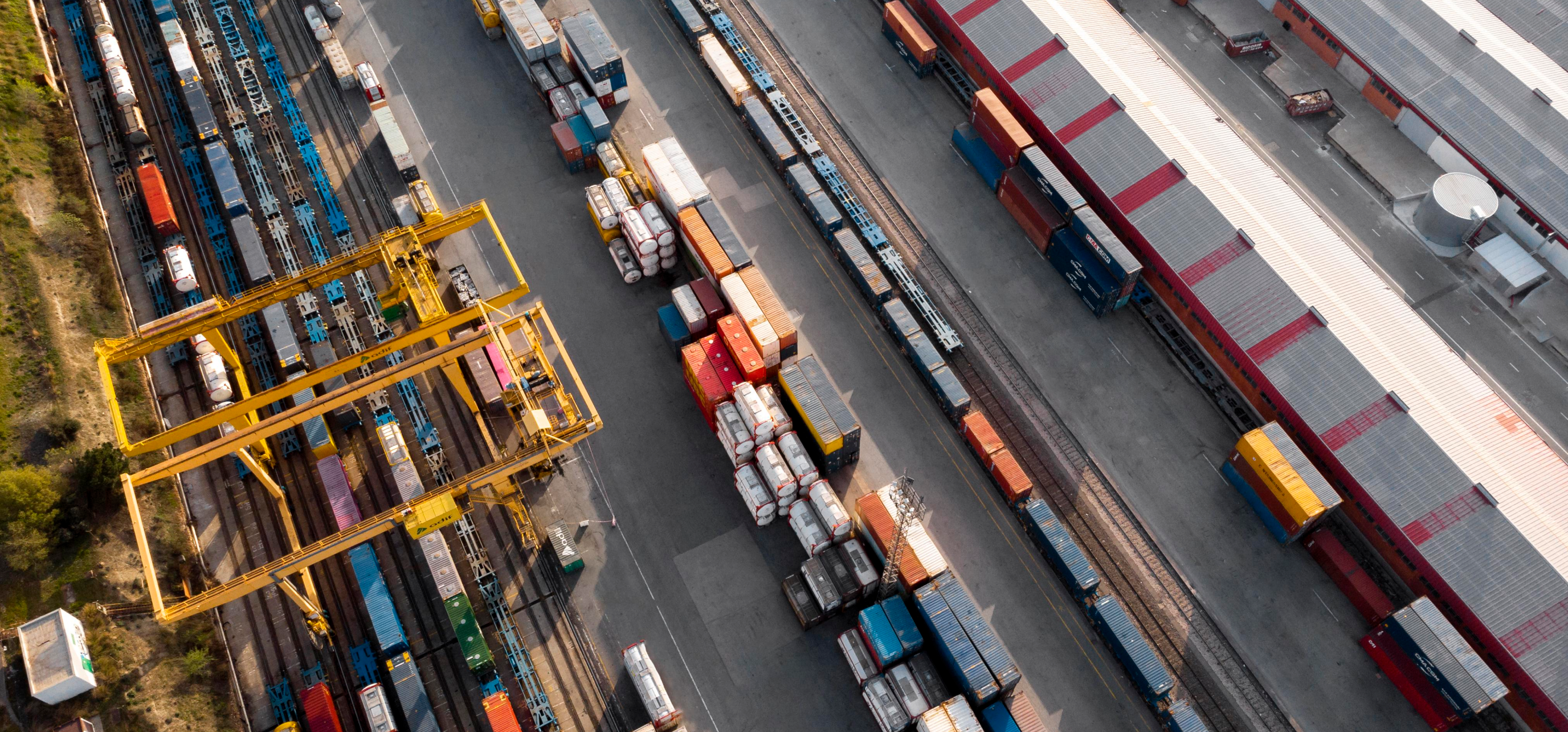
Принято выделять два направления международных грузоперевозок — импорт и экспорт
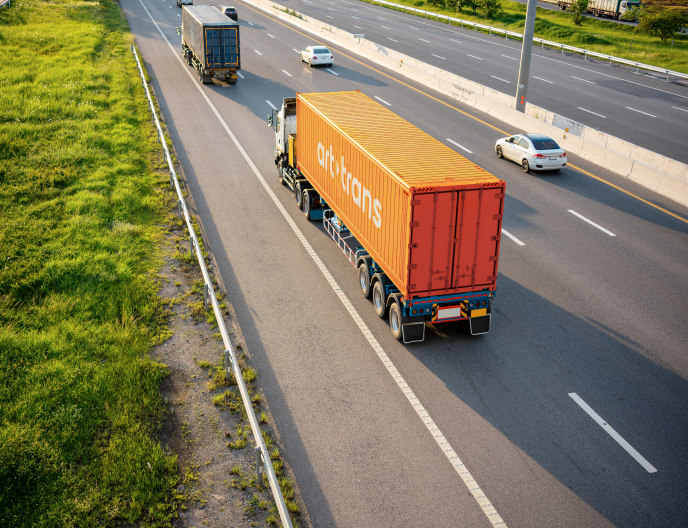
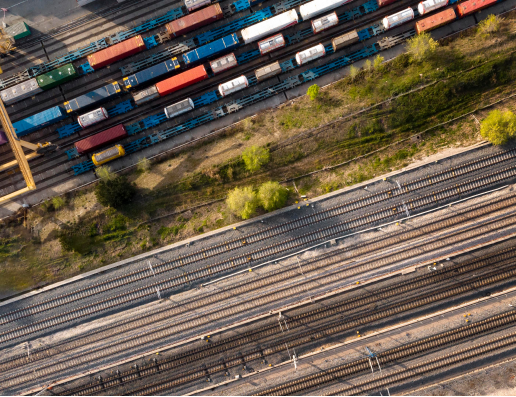
Мы предлагаем услуги опытного опытного таможенного брокера
Оформление всех необходимых документов
Подбор правильного кода ТН ВЭД для вашего товара
Рассчет размера пошлин, акцизов и НДС
Контроль за поступлением платежей на счет ФТС России



Сделаем международную логистику для вас простой и экономически выгодной


Submit your application
Таможенное оформление грузов: полный цикл от брокера Art-Trans
Таможенное оформление грузов — обязательная процедура при ввозе или вывозе товаров через границу ЕАЭС. Без корректно оформленной декларации и уплаченных таможенных платежей груз не получит статус «выпущен» и не сможет поступить в коммерческий оборот. Art-Trans выступает уполномоченным таможенным брокером и оказывает услуги таможенного оформления груза по всем направлениям — импорт, экспорт, транзит, реэкспорт.
Виды таможенного оформления по типу груза и способу доставки
Процедура декларирования различается в зависимости от того, как груз попадает в страну и что именно перевозится. Art-Trans работает со всеми форматами.
Экспресс-грузы
Экспресс-грузы и таможенное оформление — сочетание, требующее особой скорости. Посылки, образцы продукции и срочные коммерческие отправления весом до 31 кг декларируются по упрощённой процедуре через экспресс-перевозчиков. Для грузов стоимостью до 200 евро применяется беспошлинный ввоз; свыше этой суммы — стандартная декларация с расчётом пошлин. Art-Trans оформляет экспресс-партии в день обращения при наличии полного пакета документов от клиента.
Авиагрузы
Оформление груза через авиа и таможенное декларирование в аэропортах имеют свою специфику: жёсткие временны́е окна, строгие требования к упаковке и маркировке, обязательная предварительная подача сведений в систему АИСТ. Таможенное оформление грузов в Шереметьево — один из самых загруженных постов страны. Art-Trans работает на всех крупных авиационных таможенных постах: Шереметьево, Домодедово, Пулково, Толмачёво. Знание регламентов каждого поста позволяет избежать задержек на этапе досмотра.
Опасные грузы
Таможенное оформление опасных грузов требует расширенного пакета документов: аварийная карточка, паспорт безопасности вещества (SDS), разрешение Росприроднадзора или Роспотребнадзора — в зависимости от класса опасности. Код ТН ВЭД для химических веществ, газов и взрывчатых материалов подбирается с повышенной точностью: ошибка в классификации влечёт административную ответственность и задержку груза на неопределённый срок. Art-Trans имеет опыт декларирования грузов классов ADR 1–9 и располагает специалистами, прошедшими профильную сертификацию.
Сборные грузы
Таможенное оформление сборных грузов — нестандартная ситуация: в одном контейнере или автомобиле могут находиться товары разных отправителей и получателей с различными кодами ТН ВЭД и разными ставками пошлин. Каждая партия декларируется отдельно. Art-Trans консолидирует документальные пакеты по всем получателям, подаёт декларации синхронно и выдаёт грузы адресно после выпуска. Это исключает ситуацию, когда часть сборного груза задерживается из-за проблем с документами одного из участников.
Правила и порядок таможенного оформления груза
Оформление перевозки таможенного груза проходит в несколько последовательных этапов. Понимание этой цепочки помогает заранее подготовить документы и избежать задержек.
Шаг 1. Подготовка документов
Брокер Art-Trans запрашивает у клиента коммерческий инвойс, паковочный лист, договор купли-продажи, транспортные документы (CMR, коносамент, авианакладная). При необходимости — сертификаты соответствия, фитосанитарные или ветеринарные разрешения. Чем полнее пакет на старте, тем короче цикл декларирования.
Шаг 2. Классификация и расчёт платежей
Брокер определяет код ТН ВЭД для каждого наименования товара. От кода зависят ставка пошлины, необходимость разрешительных документов и применяемые льготы. На основании кода рассчитываются ввозная пошлина, НДС, акциз (при наличии) и таможенный сбор за оформление.
Шаг 3. Подача декларации
Декларация на товары (ДТ) подаётся в электронном виде через систему ЭД-2. Art-Trans подаёт ДТ заблаговременно — до прибытия груза на таможенный пост. Это позволяет начать проверку документов ещё до фактического пересечения границы и сократить время оформления перевозки таможенного груза.
Шаг 4. Таможенный контроль
После регистрации ДТ таможенный инспектор проверяет сведения. Возможны три формы контроля: проверка документов, осмотр без вскрытия упаковки, досмотр с выгрузкой. Большинство грузов Art-Trans проходят по первому каналу — без физического досмотра — благодаря корректной классификации и полному пакету документов.
Шаг 5. Уплата таможенных платежей
Таможенные платежи вносятся на единый лицевой счёт участника ВЭД в ФТС до выпуска товара. Art-Trans контролирует своевременное поступление средств и уведомляет клиента о зачислении. При необходимости подбираем инструменты обеспечения: банковская гарантия, поручительство, залог.
Шаг 6. Выпуск груза
После положительного решения инспектора декларация получает статус «Выпуск разрешён». С этого момента груз переходит в свободное обращение и может двигаться к получателю. Таможенное оформление доставки грузов Art-Trans завершается передачей клиенту полного комплекта документов: выпущенной ДТ, платёжных поручений, транспортных накладных.
Сроки и стоимость таможенного оформления
Сроки таможенного оформления грузов зависят от нескольких факторов: полноты документального пакета, категории риска отправителя и получателя, вида груза и выбранного таможенного поста. Стандартный срок выпуска при электронном декларировании — 4 часа с момента регистрации ДТ. Если инспектор назначает досмотр, срок увеличивается до 1-3 рабочих дней.
Стоимость таможенного оформления груза складывается из нескольких составляющих. Таможенный сбор за оформление — фиксированный, зависит от таможенной стоимости товара (от 775 до 30 000 рублей по действующим ставкам). Ввозная пошлина — процент от таможенной стоимости согласно ЕТТ ЕАЭС. НДС — 20% от суммы таможенной стоимости, пошлины и акциза. Вознаграждение брокера Art-Trans — фиксированное по договору, без скрытых надбавок.
Для участников ВЭД с хорошей историей применяются упрощённые процедуры и сниженные требования к обеспечению. Art-Trans помогает клиентам получить статус уполномоченного экономического оператора (УЭО), что существенно ускоряет прохождение таможни на постоянной основе.