Multimodaltransportation from Art Trans
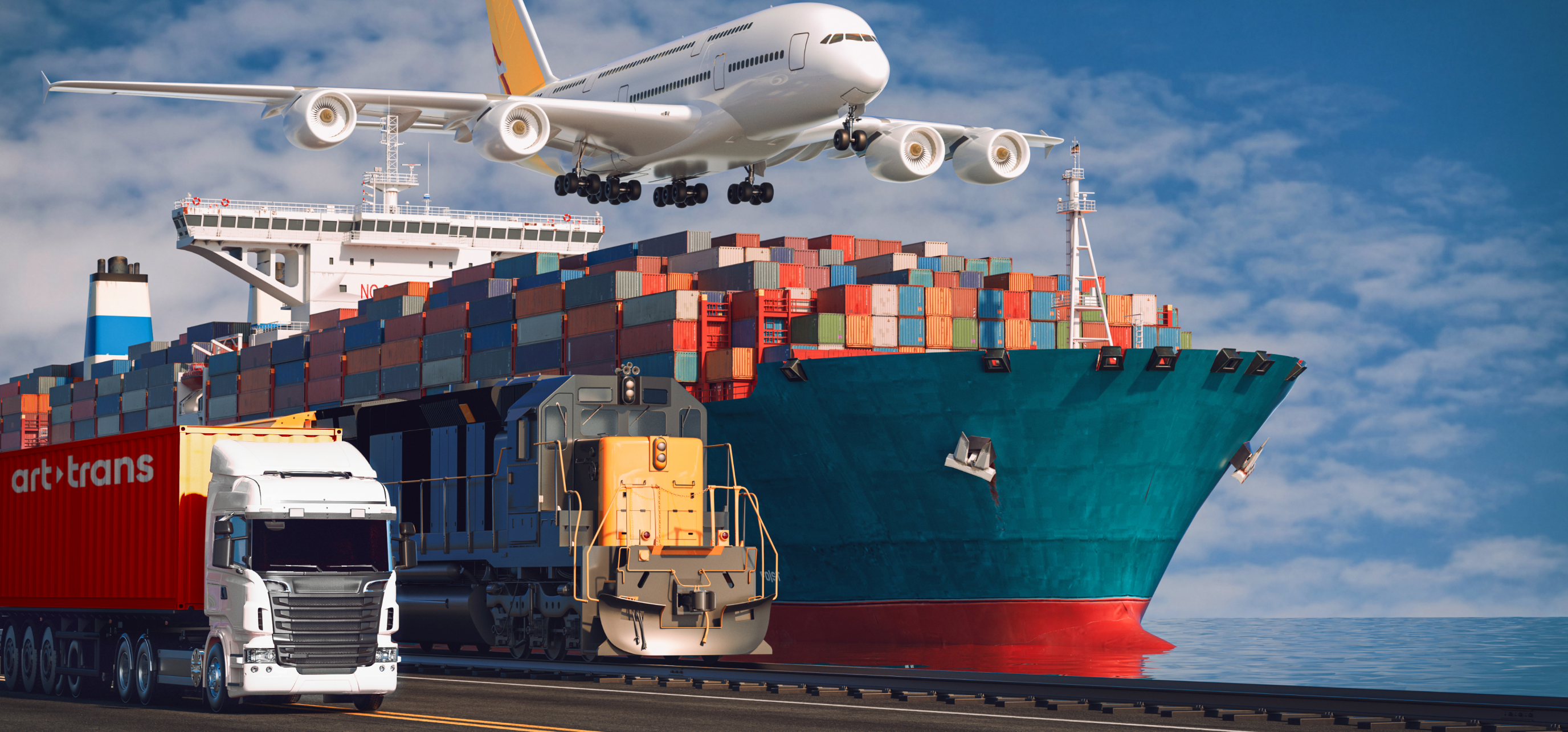
The main feature of multimodal transport is the use of several types of vehicles


Cost reduction and delivery time shortening
Cost reduction and delivery time shortening
Issuance of a single transport document — a multimodal bill of lading.
Multimodal transport with ArtTrans is

Delivery to the door

Documentation management

Cargo security

Optimal route planning

Personal manager

Main Directions of Multimodal Transport
Asia
China, Kazakhstan, Uzbekistan, Turkmenistan, Tajikistan, Mongolia
Europe
Countries of Central, Western, and Eastern Europe
Baltics and Scandinavia
Russia and CIS countries
Transport within the CIS

Calculate cargo delivery
Fill out a short form — our manager will calculate transportation costs and advise on all questions.
Multimodal Freight Transportation
Multimodal freight transportation is a delivery service involving two or more modes of transport, organized by a single operator under a single contract. The client receives a single point of responsibility and a consistent rate for the entire route. Art-Trans provides multimodal transportation services within Russia and internationally, including Europe, Asia, and the CIS.
What is multimodal transportation
Multimodal transportation is more than just shipping using multiple modes of transport. Its fundamental difference from a conventional mixed-modal system is that the entire chain is managed by a single entity—the multimodal transportation operator (MTO). It enters into contracts with the actual carriers, is responsible for the cargo at every stage, and issues a single transport document—the multimodal bill of lading.
Mixed multimodal transportation is sometimes confused with intermodal transportation. The difference is significant: with intermodal transportation, the client enters into separate contracts with each carrier. With multimodal transportation, there is one contract, one invoice, and one responsible party.
The multimodal transportation system operates on a one-stop-shop principle: the client doesn’t coordinate connections, redistribute documents between carriers, or monitor intermediate transhipments. Art-Trans, as the operator, oversees all of this independently.
Types of multimodal transportation
The choice of multimodal transportation method depends on the distance, type of cargo, available infrastructure, and budget. Art-Trans offers all major options.
Auto + rail transportation across Russia and the CIS
The most common arrangement for domestic routes within Russia: a truck picks up the cargo from the sender and delivers it to a railway terminal. The cargo then travels by train to the destination station, from where a truck again delivers it to the recipient.
Auto + sea – export and import
This method is used for shipping between countries separated by sea. A truck delivers the cargo to the port of departure, multimodal sea freight covers the main leg, and the truck delivers the cargo to the recipient at the destination port. This arrangement is popular when working with China, Japan, Korea, and the Persian Gulf countries.
Auto + air — urgent cargo
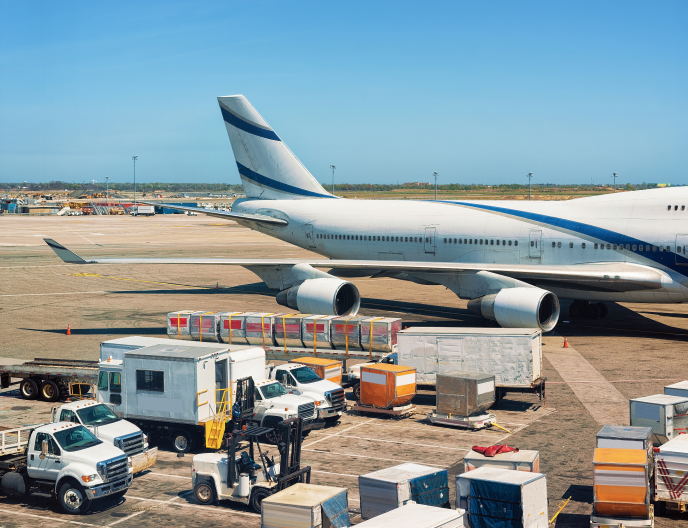
For high-value or urgent shipments: pharmaceuticals, electronics, spare parts. Multimodal transportation technologies in this format involve air freight for the main leg and truck delivery from the airport. Delivery times from Europe or Asia range from 2 to 5 days.
Auto + rail + sea – long-distance international routes
A three-tier system for China-Russia-Europe and similar routes. Cargo travels by truck to a Chinese railway terminal, by train to a Russian port or a European hub, and then by sea or rail again to its final destination.
Multimodal Transportation: How It Works
Organizing multimodal transportation involves several sequential stages. Art-Trans guides clients through each stage.
- Application and route calculation
The client provides the cargo parameters: name, weight, volume, cost, and origin/destination. The manager calculates the optimal cost-time combination and agrees on it with the client.
- Conclusion of a single agreement
As a single international multimodal transportation company, Art-Trans signs a single international multimodal transportation contract with the client. Art-Trans independently concludes separate contracts with the actual carriers—the railway, the shipowner, and the airline. The client is not involved in these negotiations.
- Registration of documents
A multimodal bill of lading is issued—a single transport document for the entire route. If necessary, a CMR, SMGS railway consignment note, AWB air waybill, and customs declarations are issued. For international multimodal cargo transportation, certificates of origin and permits are also required.
- Movement and transshipment
The cargo moves along the agreed route. Art-Trans monitors transshipment and ensures compliance with planned and actual deadlines at the intersection of transport modes. The client receives notifications at every key event.
- Control and issuance
A dedicated manager monitors the shipment throughout its entire journey. In the event of delays or force majeure, the manager promptly notifies the client and offers a solution. The shipment is released at the destination, with a condition and completeness check.
Multimodal transportation within Russia and international destinations
Art-Trans organizes multimodal transportation within Russia and international shipments to all key destinations. The company handles both domestic routes and international trade shipments.
Multimodal transportation in the Russian Federation covers deliveries between all regions of the country, including hard-to-reach areas such as the Far East, Siberia, and the Arctic. Rail and road transport allow for access to destinations that would take several days for a long-haul truck to reach.
International destinations include Asia (China, Kazakhstan, Uzbekistan, Mongolia), Europe (EU countries, the Baltics, Scandinavia), and the CIS. Multimodal freight transport between China and Russia is primarily based on road + rail and road + sea routes. European destinations are served by road + rail or direct road routes, depending on distance and urgency.
Tariffs and VAT for multimodal transportation
Multimodal shipping rates are calculated as a single, end-to-end rate covering all legs of the route. This includes freight for each mode of transport, transshipment costs at hubs, customs duties, and freight handling services. The client receives a single invoice, without breakdowns by carrier.
The cost is influenced by: the distance and number of links in the chain, the type of cargo (standard, refrigerated, ADR, oversized), seasonality (especially on sea routes), the exchange rate and the fuel index.
Multimodal transportation is subject to a 0% VAT rate for international shipments—for both export and import routes. This is stipulated in paragraph 1 of Article 164 of the Russian Tax Code. For shipments within Russia, a 20% rate applies. Art-Trans provides a complete set of documents required to confirm the zero rate with the tax authorities.